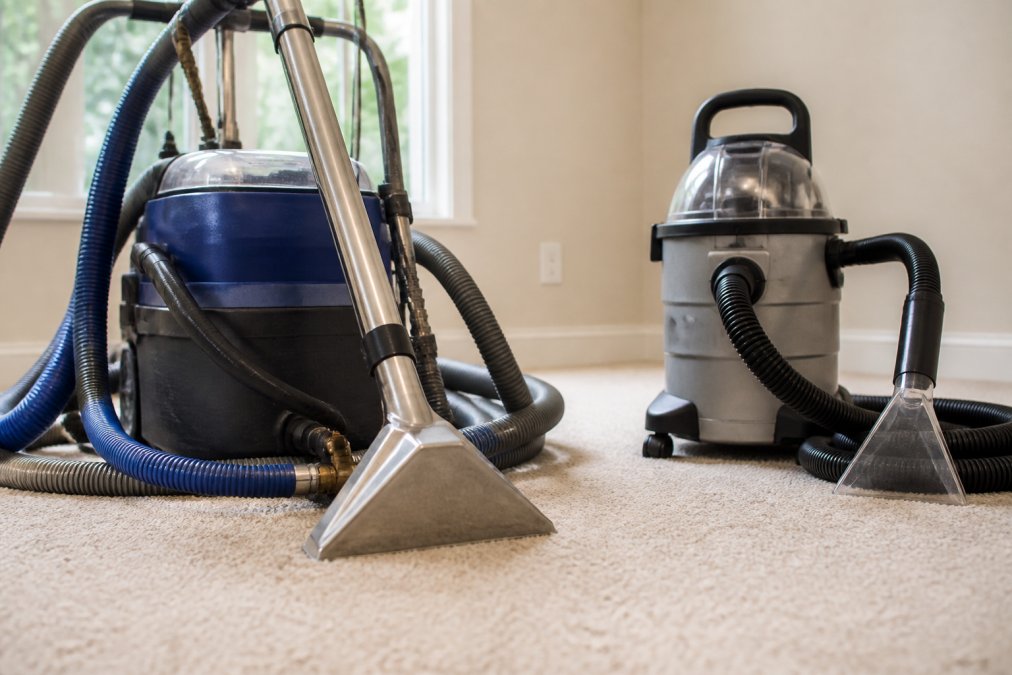
 comparison
Professional Carpet Cleaning vs DIY Rental: 2026 Guide
Table of Contents
- Professional Carpet Cleaning vs DIY Rental: Side-by-Side Comparison
- Professional Deep Extraction Benefits: What Rental Machines Can't Match
- DIY Carpet Cleaning Mistakes That Cost You More in the Long Run
- Carpet Cleaning Drying Time: Professional Service vs. Rental Equipment
- Cost Breakdown: What You Actually Pay for Each Option
- Carpet Longevity, Warranties, and Health Considerations
- Which Option Is Right for Your Situation?
- Conclusion
Last Updated: August 24, 2026
Professional Carpet Cleaning vs DIY Rental: Side-by-Side Comparison
Professional carpet cleaning vs DIY rental is one of the most common home maintenance decisions homeowners face. The decision isn't simply about price, it comes down to equipment capability, fiber compatibility, drying time, and the long-term health of your floors. Professional services use truck-mounted extraction systems that generate suction power and water temperatures rental units cannot replicate. DIY rentals are portable, affordable, and accessible at most grocery stores. The gap between them is wider than most guides admit.
| Factor | Professional Service | DIY Rental |
|---|---|---|
| Equipment type | Truck-mounted extraction | Portable rental machine |
| Suction power | Industrial-grade | Moderate |
| Drying time | 2-6 hours | 12-24+ hours |
| Stain removal depth | Deep fiber penetration | Surface-level |
| Odor neutralization | Yes, including subfloor | Limited |
| Carpet fiber safety | Technician-assessed | User risk |
| Cost | Higher upfront | Lower upfront, hidden costs |
| Physical labor | None (technician handles it) | Significant |
| Carpet warranty compliance | Often required | May void warranty |
| Best for | Deep cleaning, tough stains, odors | Light maintenance, small areas |
Professional Deep Extraction Benefits: What Rental Machines Can't Match
Professional deep extraction injects hot water and cleaning solution deep into carpet fibers, then extracts it along with loosened soil, allergens, and contaminants using high-powered suction. A professional technician brings industrial-grade equipment and training to use it correctly on your specific carpet type, a combination difficult to replicate with a weekend rental.
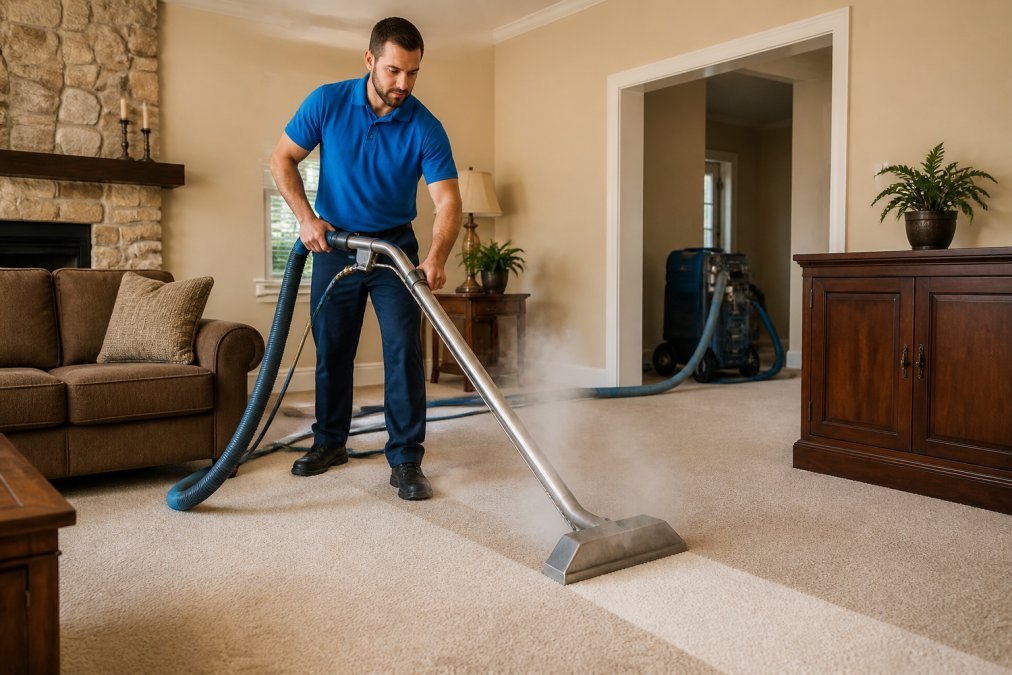
Truck-Mounted vs. Portable Equipment: Suction Power and Soil Extraction
Truck-mounted extraction systems are the gold standard. The machine stays outside while hoses run inside to the cleaning wand, allowing full power operation without size constraints. This translates directly into stronger suction and higher water temperatures than portable cleaners can achieve.
Portable rental machines are limited by size. Their solution tanks hold roughly 1.5 gallons, motors are consumer-grade, and suction recovery is a fraction of truck-mounted systems. For light soil and routine maintenance, that's sufficient. For deep soil extraction, pet urine penetrating carpet padding, or high-traffic embedded grit, portable machines frequently leave behind more than they remove.
Stain Removal, Odor Neutralization, and Carpet Fiber Compatibility
Stain removal effectiveness depends on heat, dwell time, and suction power. Professional truck-mounted systems deliver water at temperatures that break down protein-based stains more effectively than portable units.
Odor neutralization is a separate challenge. Pet urine odors often originate in carpet padding and subfloor, not just fibers. Portable rental machines cleaning the surface won't reach these sources. Professional technicians apply targeted treatments, including enzyme-based solutions, that address the actual source.
Carpet fiber compatibility is critical. Different fibers, nylon, polyester, wool, and olefin, respond differently to heat, moisture, and cleaning chemistry. Wool carpets can shrink or felt if exposed to high heat or alkaline solutions. Professional technicians evaluate fiber type before selecting appropriate temperatures and pH-balanced solutions. DIY users typically apply the same settings to every carpet, creating real risk with natural fibers.
According to The Carpet and Rug Institute's cleaning guidelines, proper hot water extraction performed by trained professionals is the recommended method for maintaining most carpet types and preserving manufacturer warranties.
DIY Carpet Cleaning Mistakes That Cost You More in the Long Run
The appeal of DIY carpet cleaning is straightforward: rent a machine for under $40, buy cleaning solution, and handle it yourself. The actual cost, accounting for common mistakes, often exceeds professional service charges.
Over-Wetting, Residue Buildup, and Hidden Costs of DIY
Over-wetting is the single most damaging DIY mistake. When too much water is applied or suction can't recover it all, moisture saturates the carpet backing and padding, creating ideal conditions for mold and mildew growth within 24-48 hours. Remediation is expensive and sometimes requires carpet replacement.
Residue buildup is the second major problem. Many rental machine solutions aren't fully extracted, leaving sticky residue in carpet fibers. That residue attracts soil faster than clean fibers, meaning carpets re-soil more quickly after DIY cleaning than before.
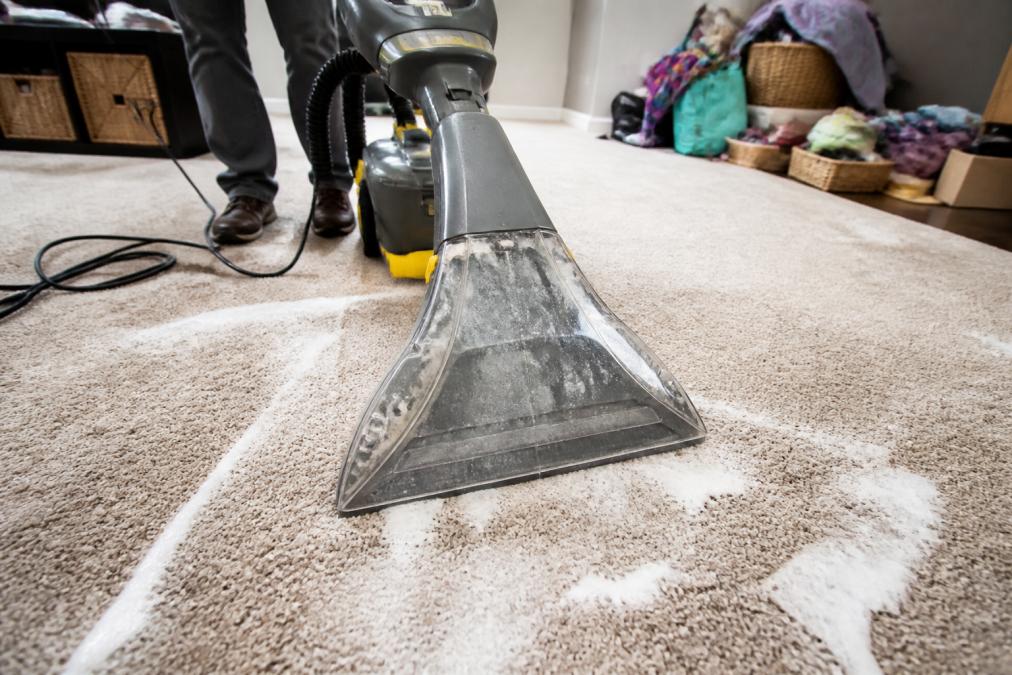
Hidden costs add up quickly: rental fees, cleaning solution, attachment rentals, pre-treatment products, physical labor, and potential professional remediation if over-wetting causes mold. The Environmental Protection Agency's guidance on indoor mold notes that carpets exposed to excess moisture not dried within 24-48 hours are at significant mold risk.
Carpet Cleaning Drying Time: Professional Service vs. Rental Equipment
Professional hot water extraction with truck-mounted equipment typically leaves carpets dry in 2-6 hours. High suction power recovers most moisture during cleaning, leaving fibers damp rather than saturated. Some professional methods reduce drying time to 2-4 hours.
DIY rental machines leave significantly more moisture in carpet. Drying times of 12-24 hours are common, and in humid conditions, carpets can stay damp longer. During that drying window, the carpet is off-limits for normal foot traffic, furniture cannot be returned, and mold risk remains open.
For households with children, pets, or limited time, the drying time difference alone often justifies professional service cost. For rental property turnovers requiring 24-hour readiness, a 12-hour drying time may not be workable.
Cost Breakdown: What You Actually Pay for Each Option
DIY rental costs include the machine rental, cleaning solution, attachment rentals, and your time. For a 1,500-square-foot home, thorough DIY cleaning typically takes 4-6 hours of active labor. Upfront cost is lower than professional service.
Professional carpet cleaning costs more upfront but includes equipment, labor, cleaning chemistry, and professional assessment. Many services include spot treatment and deodorizing.
The cost comparison shifts when factoring in:
- Frequency: Professionally cleaned carpets stay cleaner longer due to thorough extraction and no residue. DIY-cleaned carpets often require more frequent cleaning.
- Damage risk: Over-wetting or incorrect chemistry can damage delicate fibers, requiring partial or full replacement.
- Warranty: Many manufacturers require professional hot water extraction to maintain warranty. DIY cleaning may void coverage.
- Results quality: For high-traffic areas, pet stains, or deep odors, professional results are measurably better and extend carpet life.
For routine maintenance on lightly soiled areas, DIY rental is reasonable. For whole-house deep cleaning, stubborn stains, odor problems, or natural fiber carpets, professional service delivers better long-term value.
Carpet Longevity, Warranties, and Health Considerations
Most carpet manufacturers specify professional hot water extraction as the required cleaning method to maintain warranty. If your carpet develops a manufacturing defect and you've cleaned it exclusively with rental machines, the warranty claim may be denied.
Carpet life expectancy is directly tied to embedded soil management. Grit and particulate matter settling into carpet pile acts as an abrasive, cutting fiber strands with every footstep. Deep extraction removes this material; surface-level cleaning leaves it behind.
Carpets trap allergens, dust mites, pet dander, and mold spores. According to the Asthma and Allergy Foundation of America's guidance on indoor allergens, carpets harbor significant dust mite allergen concentrations, and regular professional cleaning is recommended for reducing allergen load in homes with allergy sufferers.
Professional services using pH-balanced, low-residue solutions tend to use water more efficiently than DIY users, who often over-apply to compensate for lower suction power. Less water use means faster drying and reduced moisture-related damage risk.
Which Option Is Right for Your Situation?
Both options have legitimate use cases. The mistake is applying the wrong one to the wrong situation.
Choose professional carpet cleaning when:
- Dealing with pet urine, deep odors, or stains set for more than a few days
- Carpets are wool, silk, or natural fiber blend
- Carpet is still under manufacturer warranty
- Household has allergy or asthma sufferers
- Carpet hasn't been professionally cleaned in more than 12-18 months
- Preparing a rental property for new tenants and need reliable, fast results
- You want cleaning done without investing 4-6 hours of physical labor
Choose DIY rental when:
- Doing light maintenance on synthetic carpets in low-traffic areas
- Addressing a fresh spill quickly before it sets
- Budget is the primary constraint and carpet is in generally good condition
- You're comfortable with physical demands and 12-24 hour drying window
A practical maintenance schedule: professional deep extraction once or twice yearly for whole-house cleaning, with DIY spot treatment between professional visits.
Last Updated: August 24, 2026
Choosing between professional carpet cleaning vs DIY rental ultimately comes down to what your carpets actually need, not just what fits the budget this week. For homeowners and property managers who want thorough soil extraction, reliable stain and odor removal, and results that hold up over time, Radiance Glow HSC provides professional deep extraction cleaning using advanced techniques that restore carpet brightness and plushness while protecting fiber integrity. Get a Free Quote and find out what your carpets can look like when they're cleaned the right way.
Frequently Asked Questions
Q: Do rental carpet cleaners work as well as professional carpet cleaning?
A: Rental machines use hot water extraction similar to professional equipment, but the suction power is significantly lower. Consumer-grade rental units cannot replicate truck-mounted extraction, which generates far greater vacuum pressure to pull moisture and soil out of carpet fibers. For lightly soiled carpets, a rental can refresh the surface. For deep-seated dirt, pet urine in the padding, or older stains, professional carpet cleaning consistently delivers more thorough results and leaves carpets drier.
Q: What are the hidden costs of renting a carpet cleaning machine?
A: The rental fee is only the starting point. You also pay for cleaning solution, pre-treatment sprays for stains, and a separate upholstery attachment if needed. Factor in the time spent moving furniture, operating the machine, and waiting for carpets to dry, often 12 to 24 hours with rental equipment. If over-wetting causes mold or residue buildup attracts dirt quickly, you may need to clean again sooner, erasing any savings from the DIY approach.
Q: How often should carpets be professionally deep cleaned?
A: Most carpet manufacturers and the Carpet and Rug Institute recommend professional deep cleaning every 12 to 18 months for average households. Homes with pets, children, allergy sufferers, or high-traffic areas benefit from cleaning every 6 to 12 months. Regular professional carpet cleaning also satisfies many manufacturer warranty requirements, skipping it can void coverage for premature wear or fiber damage.
Q: Can DIY carpet cleaning damage carpet fibers?
A: Yes, particularly with delicate fiber types. Wool, silk-blend, and certain cut-pile carpets are vulnerable to shrinkage, color bleeding, and pile distortion when over-wetted or cleaned with the wrong pH solution. Rental machines apply more water than professional truck-mounted systems extract, raising the risk of moisture sitting in the backing. Using a pH-balanced cleaner matched to your carpet fiber type is critical, a step many DIY users skip entirely.
Q: How long does carpet cleaning drying time take for professional vs. DIY?
A: Professional truck-mounted extraction typically leaves carpets dry in 2 to 6 hours because the high suction removes most of the moisture during cleaning. Low-moisture methods like hot carbonating extraction can cut that to 2 to 4 hours. DIY rental machines leave significantly more water behind, resulting in drying times of 12 to 24 hours. Longer drying time increases the risk of mold growth in the carpet backing and padding, especially in humid conditions.
This article was written using GrandRanker